
The decision and integration layer
HAMMER is the operator console. The architecture assigns fusion and classification to CORE, and data connections to NEXUS — with a focus on a clear basis for each decision.
VAERN develops counter-drone software for critical infrastructure, energy sites, ships and defence. We are bringing sensors, operators and partner equipment into one workflow — from the first observation to a decision you can explain.
From energy sites and ships to bases and forces: see how a shared air picture and human decision-making fit each operating environment.

Process areas · control rooms
Bring drone observations into context for security teams and site management, with clear coordination and documented decisions.
Explore the scenario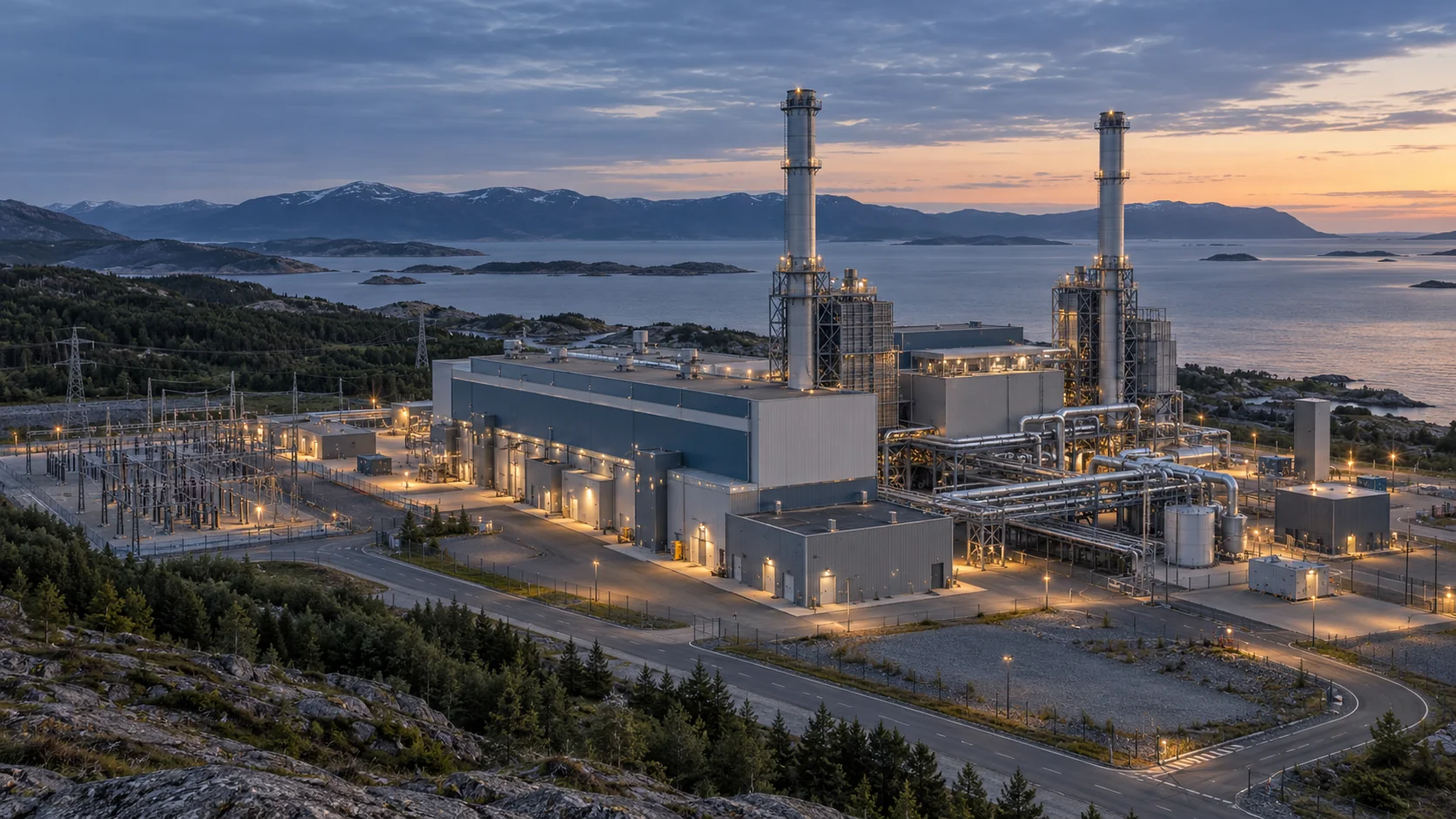
Generation · control rooms
Give security and operations teams a common basis for assessing drone observations around power generation sites.
Explore the scenario
Bridge · shoreside organisation
Support the crew’s assessment of nearby drone activity and coordination between the bridge and the shoreside organisation.
Explore the scenario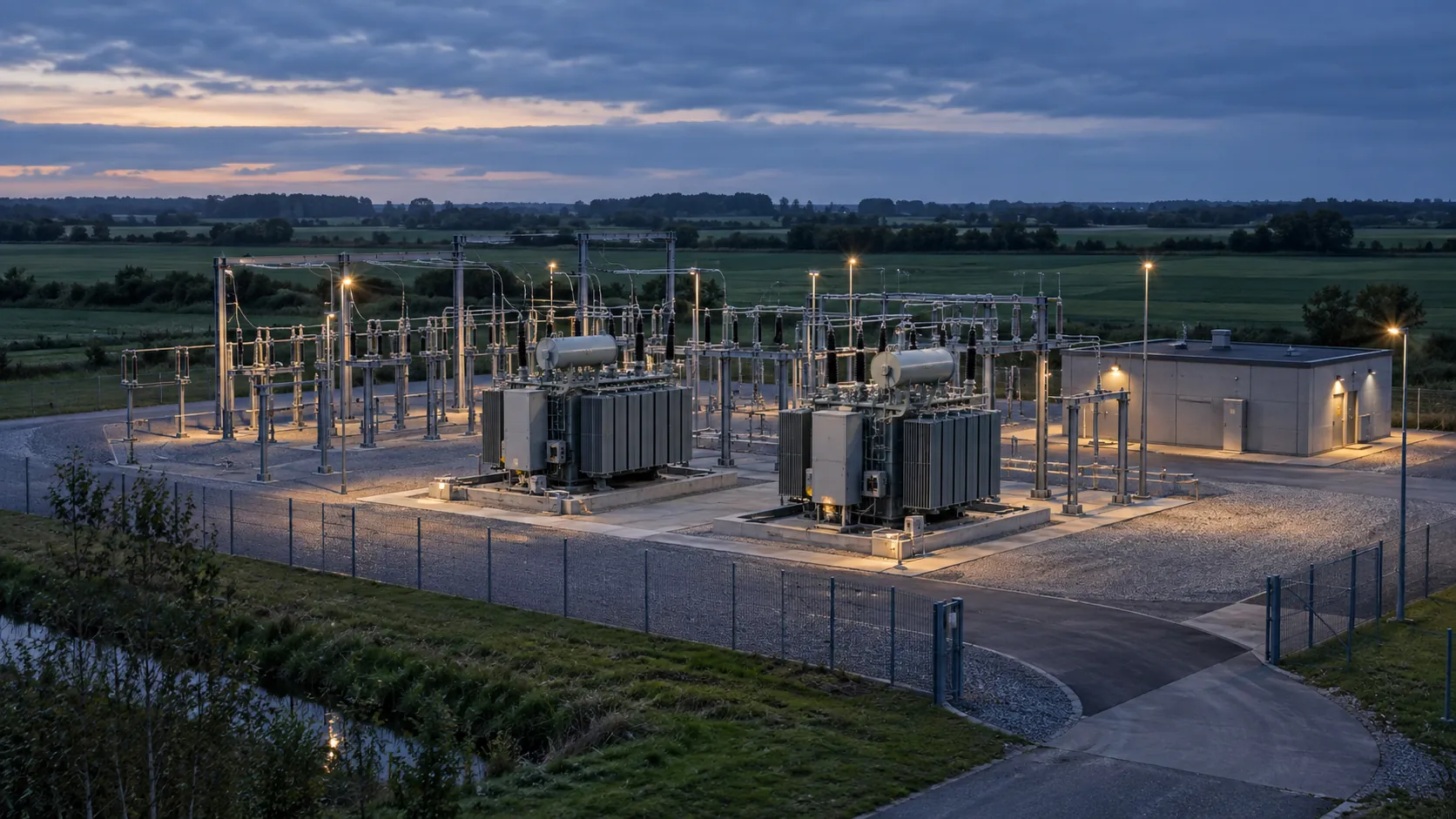
Substations · ports · airports
A shared view of observations, assessed tracks and decisions for the people responsible for the site.
Explore the scenario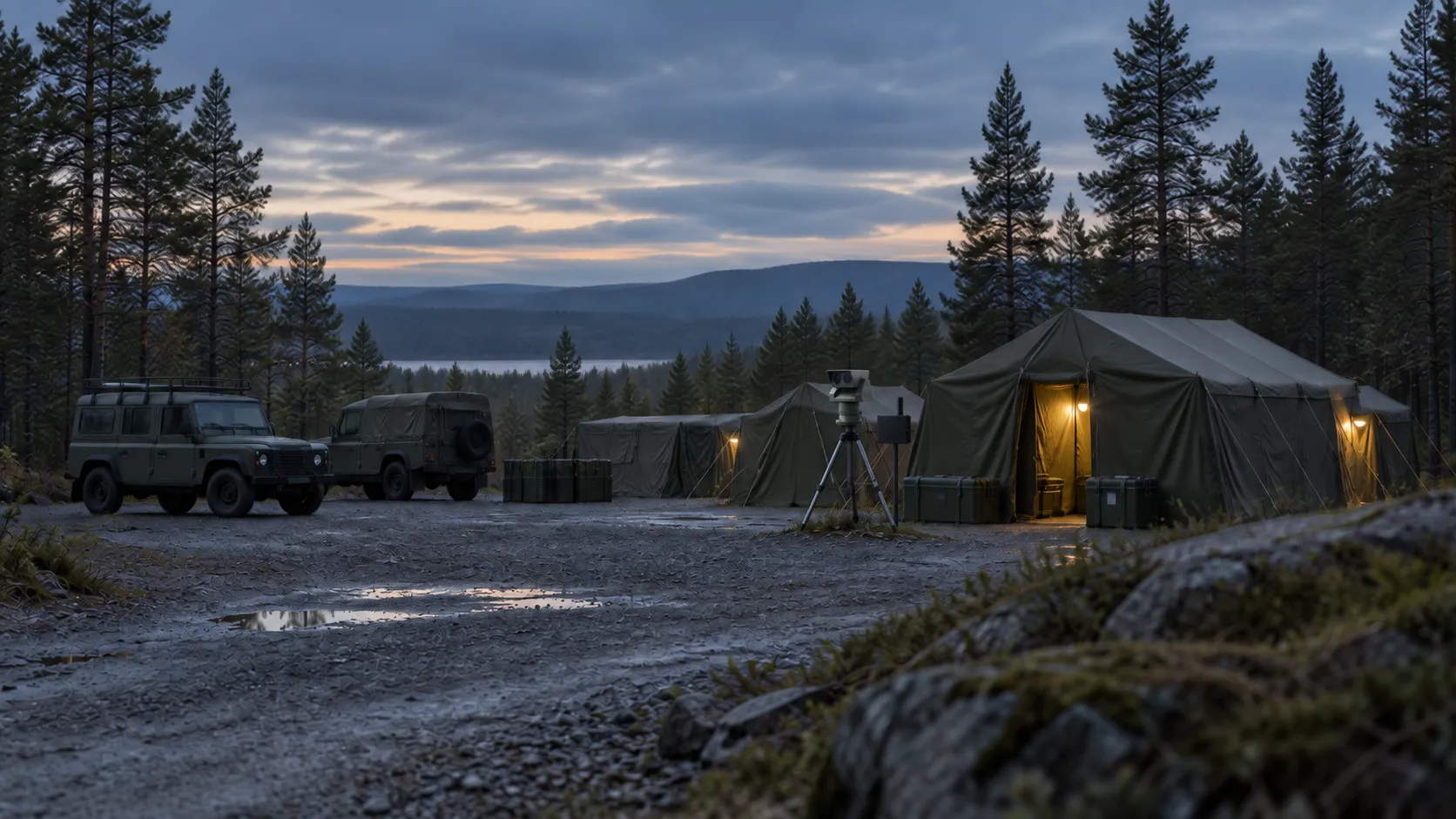
Field units · camps · convoys
A common operator workflow for a temporary camp, forward sensors and a force on the move.
Explore the scenario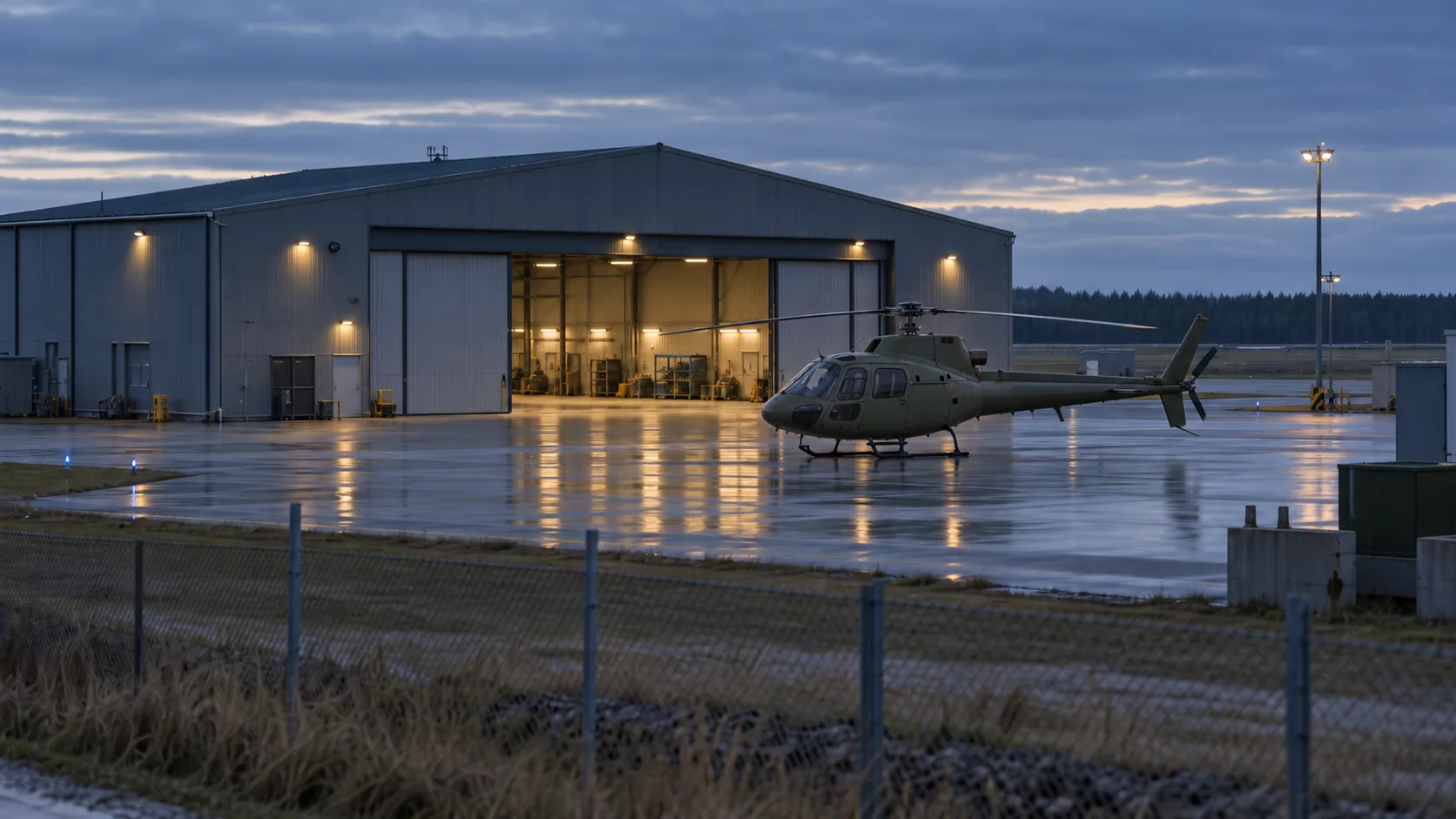
Air bases · helicopters on the ground · landing zones
Decision support around air base perimeters and helicopter landing zones, with observations in one workflow.
Explore the scenario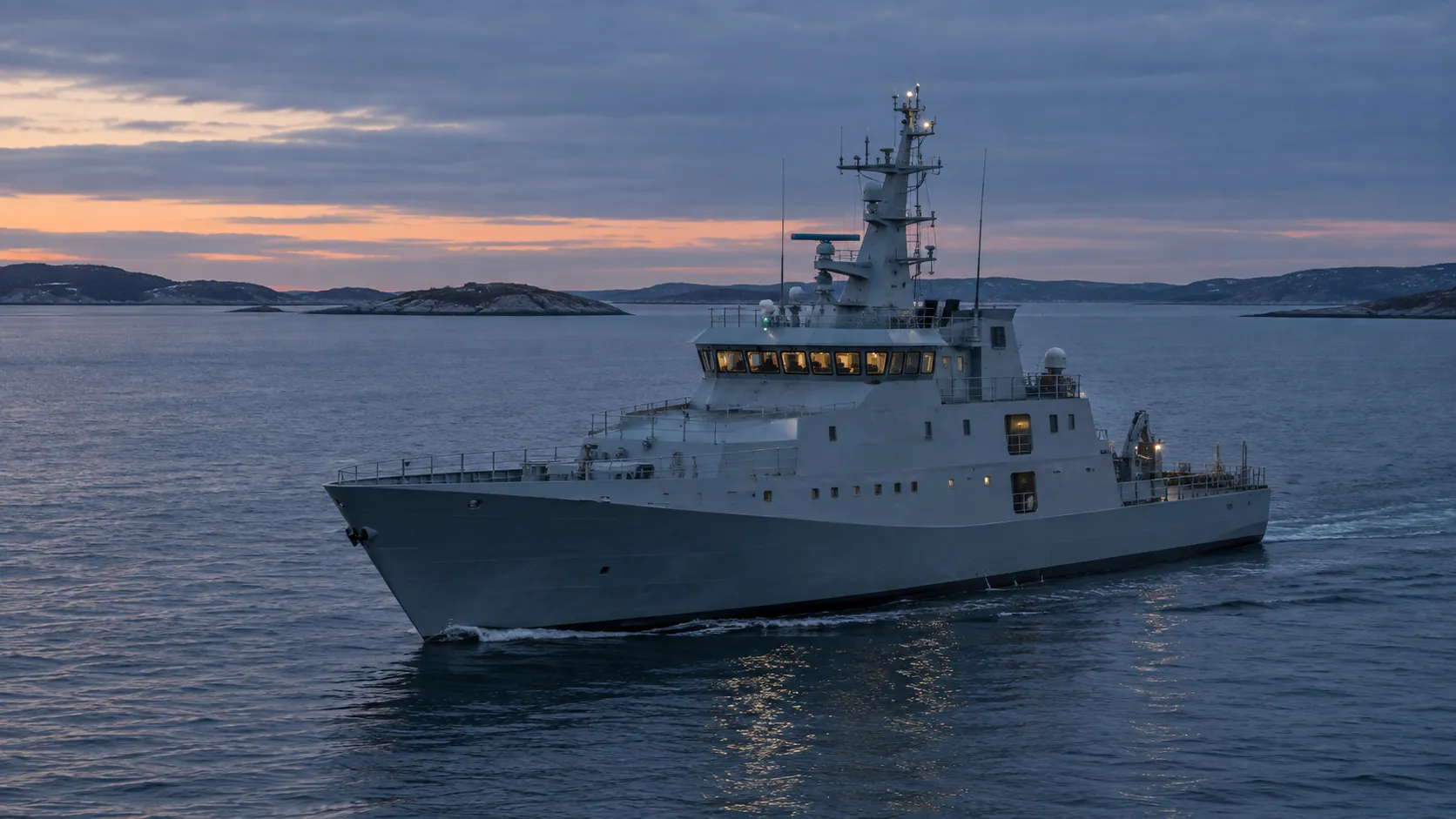
Ships · onboard sensors · existing command systems
A maritime use case for a shared view of drone observations and a consistent operator workflow at sea.
Explore the scenarioHAMMER is the operator console. The architecture assigns fusion and classification to CORE, and data connections to NEXUS — with a focus on a clear basis for each decision.
The architecture is designed around partner hardware and compatible existing equipment. VIGIL and SCOUT cover sensors and forward nodes; through STRIKER, partner effectors can capture, shoot down or jam hostile drones. Effectors are manufactured and supplied by authorised partners under their own authorisations and used only where the law allows — typically by armed forces and authorities with a legal mandate. VAERN does not manufacture effectors, and every engagement is released by a human.
Explore track assessment, human authorisation and the decision record in a guided demonstration on simulated data. Discuss how the workflow relates to your operation.

VAERN Systems is a member of InterForce in the Region of Southern Denmark, supporting the connection between business and the Danish armed forces.
InterForce Southern Denmark
VAERN Systems is a member of Odense Robotics through the StartUp scheme. Membership was approved on 24 September 2026.
About Odense RoboticsWe build the software and integration layer. We are looking for the people and equipment that can bring it into a real operating environment.
VAERN Systems and Heimdall Systems have begun a collaboration to explore how their solutions can complement each other.
Start with your use case, equipment and operator needs.
An unknown track approaches. The first observation starts the illustrated operator workflow.
VIGIL · Sensor observation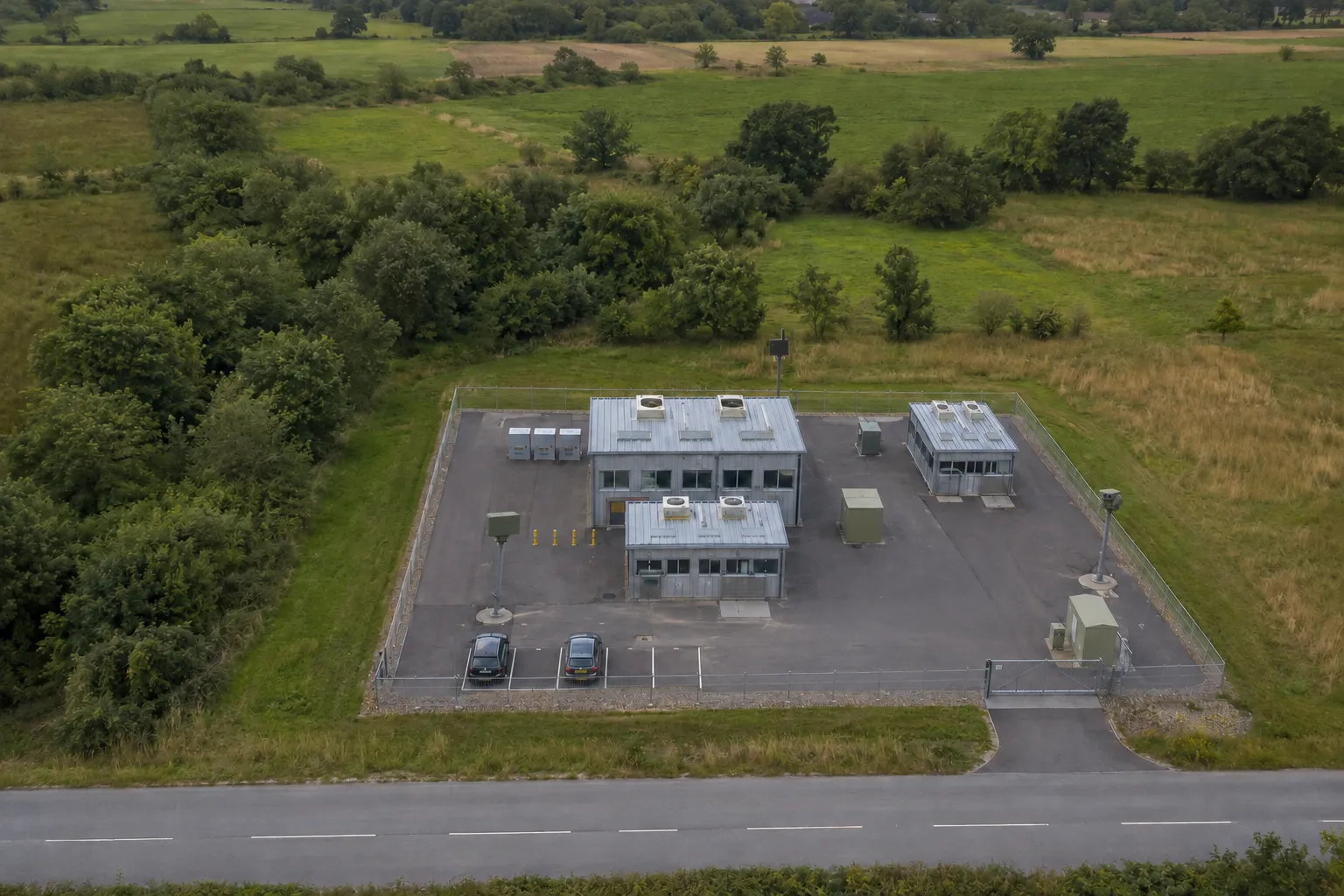
The sensor layer gives the operator the first indication.
Observations from different angles travel through the same network.
HAMMER shows the track and the basis for its assessment.
The operator assesses the threat and authorises the response in HAMMER.
A partner effector, operated by the force or authority with the legal mandate, activates after authorisation, and the event is logged. The entire sequence illustrates a design goal.
The sequence illustrates the system architecture. Sensor interfaces, operator workflows and operating requirements form the basis for a partnership.
Explore a partnershipA guided walkthrough of HAMMER Panorama on simulated data, with synthetic scenarios matched to your use case — from the first observation to the operator's decision and the decision record.
The architecture is designed around partner sensors and compatible existing equipment. Available data, interfaces and operating requirements determine the scope of each integration.
Sensor and communications suppliers, C2 and integration specialists, authorised effector suppliers, operators and test environments in Denmark. We start with a concrete use case and a bounded next step.
VAERN Systems and Heimdall Systems have begun a collaboration to explore how their solutions can complement each other.
The operator. Human authorisation and a traceable decision record are central design principles, demonstrated with simulated commands in HAMMER. Any future effector integration depends on the relevant permissions and the partner’s authorisations.
The website combines AI-generated illustrations, authentic HAMMER screenshots and manufacturer product images. Read about images and product references in the FAQ.
A guided walkthrough of HAMMER Panorama on simulated data, with synthetic scenarios matched to your use case — from the first observation to the operator's decision and the decision record. Afterwards we discuss your operation, equipment or collaboration idea — in English or Danish.